
Ministry of Education Launches Channel MoE

Ghana’s Ministry of Education has taken a groundbreaking step towards transforming the educational landscape across Africa with the launch of Channel MoE, a dedicated television station broadcasting quality educational content. This initiative, officially launched on December 2, 2024, aims to provide a platform for innovative instructional materials, improve educational outcomes, and support academic excellence and personal development. Channel MoE’s primary objective is to bridge the educational gap, ensuring equal access to quality education content for students from diverse socio-economic backgrounds. By leveraging technology, the station aims to provide students in rural areas with the same opportunities as urban centres, democratising learning and making education accessible to all. The station results from a collaborative effort between the Ghanaian government, led by the Ministry of Education through its Centre for National Distance Learning and Open Schooling (CENDLOS), and development partners like Plan International, UNICEF, and CAMFED Ghana. With its infrastructure already set up and test transmissions completed, Channel MoE is now fully operational. It leverages technology to bridge the educational gap between rural and urban areas while broadcasting high-quality learning materials and information to support academic excellence and personal development. The Minister for Education, Dr Yaw Osei Adutwum, expressed optimism about the channel’s potential to revolutionise teaching and learning, emphasising its role as a reliable source of critical information for viewers. With Channel MoE now live on terrestrial and direct broadcast satellite, reaching audiences in Ghana and 27 other African countries, the future of education looks brighter than ever.
Arts to Engineering: All You Need to Know About the Pre-Engineering Program in Ghana

Are you an arts or humanities student dreaming of a career in engineering? The Pre-Engineering Program in Ghana might be the perfect opportunity for you! This innovative program is designed to help non-science students transition into engineering by providing the necessary foundational knowledge and skills. Let’s dive into what this program offers and how it can help you achieve your engineering dreams. What is the Pre-Engineering Program? The Pre-Engineering programme is a one-year detailed course specially designed to prepare and train secondary school graduates with non-science backgrounds for enrollment into the Bachelor of Science in Engineering at the University. The program is specifically tailored for students with non-science backgrounds who aspire to pursue engineering at the tertiary level. Dr Yaw Osei Adutwum, the Minister for Education, launched the program on 19 January 2022. The first batch of students for the program were admitted to Pentecost University and the University of Mines and Technology (UMaT) later that year. The Pre-Engineering Program is designed by the Ministry of Education per the Education Strategic Plan (ESP) 2018-2030, which has a twin target of achieving a 40% Gross Tertiary Enrollment Ratio and a Science: Humanities ratio of 60:40 in favour of the Sciences at the tertiary level by 2030. Program Structure and Curriculum The program covers essential STEM (Science, Technology, Engineering, and Mathematics) subjects, including mathematics, physics, chemistry, and introductory engineering courses. The curriculum is designed to provide a strong foundation in these subjects, ensuring students are well-prepared for future engineering studies. Entry Requirements To be eligible for the Pre-Engineering Program, students typically need to have completed their Senior High School (SHS) education with good grades in core subjects such as Mathematics, English, and Integrated Science. Some universities may also require additional subjects depending on their specific entry criteria. Benefits of the Program Smooth Transition: The program helps non-science students transition smoothly into engineering disciplines by providing the necessary background knowledge and skills. Enhanced Opportunities: Completing the Pre-Engineering Program opens doors to various engineering undergraduate programs, including robotics, electrical and electronic engineering, mechanical engineering, and more. Competency-Based Learning: The program employs competency-based methodologies, combining theoretical knowledge with practical, hands-on training. Professional Mentorship: Students have the opportunity to be mentored by professionals and experts in the engineering field, gaining valuable insights and guidance. Skill Development: In addition to academic coursework, the program includes skill training sessions to enhance students’ practical abilities and readiness for engineering challenges. Some beneficiaries of the Pre-Engineering Program Success Stories Many students who have completed the Pre-Engineering Program have gone on to excel in their engineering studies and careers. Their success stories inspire aspiring engineers and highlight the program’s effectiveness in bridging the gap between the arts and engineering disciplines. How to Apply To apply for the Pre-Engineering Program, students must submit their application forms and academic transcripts to the admissions office of the respective universities. Meeting the entry requirements and deadlines is essential to securing a spot in the program. Ready to take the first step? Visit Pentecost University, University of Mines and Technology (UMaT), and Kumasi Technical University for more information and application details.
Thriving in University: A Guide to Success for Students in Ghana

Embarking on your university journey in Ghana is a monumental step filled with opportunities, challenges, and growth. As you navigate this transformative phase, it’s essential to equip yourself with strategies that can help you succeed academically, socially, and personally. Here’s a guide to thriving as a university student in Ghana. 1. Embrace a Growth Mindset University life demands a shift in thinking. Adopting a growth mindset—believing that your abilities and intelligence can be developed through hard work, dedication, and resilience—can set the tone for success. Understand that challenges are opportunities to learn and grow. 2. Build a Strong Support Network University can be overwhelming, but having a reliable support network can make all the difference. Surround yourself with friends, mentors, and professors who encourage and motivate you. Join student organisations and participate in campus activities to build connections. 3. Master Time Management Balancing academics, social life, and extracurricular activities requires effective time management. Create a schedule that prioritises your tasks and stick to it. Use planners, digital calendars, or time management apps to stay organised. 4. Engage in Extracurricular Activities Participating in extracurricular activities can enhance your university experience, providing opportunities for personal growth, networking, and skill development. Whether it’s joining a debate club, sports team, or volunteering for community service, these activities will enrich your university life. 5. Seek Academic Resources Take advantage of the academic resources available on campus, such as libraries, tutoring centers, and workshops. These resources can provide additional support and enhance your learning experience. Don’t hesitate to ask for help when you need it. 6. Prioritize Self-Care Maintaining a healthy balance between academic responsibilities and personal well-being is crucial. Prioritize self-care by getting enough sleep, eating well, exercising, and taking breaks when needed. Your physical and mental health are key to your overall success. 7. Stay Informed and Engaged Stay informed about campus events, academic deadlines, and opportunities. Engage with your professors and classmates, participate in discussions, and stay curious. Being proactive in your education will keep you motivated and involved. 8. Develop Effective Study Habits Find a study routine that works best for you. This could involve studying in short bursts, creating summaries, joining study groups, or using flashcards. Identify your most productive times and environments to maximize your study sessions. 9. Set Realistic Goals Setting realistic and achievable goals can provide direction and motivation. Break down your long-term goals into smaller, manageable tasks and celebrate your progress along the way. This will help you stay focused and on track. 10. Explore Internships and Career Opportunities Gain practical experience by exploring internships and part-time jobs related to your field of study. These opportunities can provide valuable insights, help you build professional networks, and enhance your resume. University life in Ghana is a transformative journey filled with opportunities for growth and success. By embracing a growth mindset, building a strong support network, mastering time management, engaging in extracurricular activities, seeking academic resources, prioritising self-care, staying informed, developing effective study habits, setting realistic goals, and exploring internships, you can confidently navigate this journey and thrive. Remember, your university experience is unique to you, and these strategies will support you on your path to success. Here’s to an incredible university journey filled with learning, growth, and memorable experiences!
Fuel Your Ambition: 5 Books to Help You Crush Your Goals This Year

Welcome to a brand-new year filled with endless possibilities and opportunities to realise your dreams. Whether you’re looking to build new habits, gain clarity on your aspirations, or find the motivation to keep pushing forward, these five books will guide you on your journey to success. 1. Atomic Habits by James Clear Imagine your life transformed by the power of tiny, incremental changes. James Clear’s “Atomic Habits” is your go-to guide for understanding how small habits can lead to remarkable results. In this book, Clear provides practical strategies to break bad habits and build good ones while emphasising that the little things make the most significant difference. 2. Mindset: The New Psychology of Success by Carol S. Dweck Carol Dweck’s groundbreaking work introduces the concept of the growth mindset, empowering you to reframe obstacles as opportunities. Learn to embrace challenges, cultivate resilience, and unlock your inner potential. 3. The 7 Habits of Highly Effective People by Stephen Covey A classic in the self-help genre, Covey’s timeless wisdom offers practical advice on personal and professional growth—master essential habits like proactive leadership, effective communication, and synergistic collaboration to propel yourself toward success. 4. Essentialism: The Disciplined Pursuit of Less by Greg McKeown In a world filled with distractions, “Essentialism” teaches you the art of prioritisation. Learn to distinguish the vital few from the trivial many, eliminating non-essential tasks to focus on what truly matters. 5. The One Thing” by Gary Keller and Jay Papasan This book teaches you to zero in on the critical tasks that drive actual results. Keller and Papasan’s straightforward approach eliminates multitasking, minimises distractions, and concentrates on the most essential task that will catapult you toward your objectives. As you delve into their pages, you’ll: 1. Cultivate resilience: Develop a growth mindset to tackle obstacles head-on. 2. Focus on what matters: Prioritize essential tasks and eliminate distractions. 3. Build empowering habits: Create lasting changes through incremental progress. 4. Unlock your potential: Discover the power of proactive leadership and effective communication. 5. Stay committed: Learn strategies for maintaining momentum and overcoming setbacks. Embark on this literary journey and let these books inspire you to take bold steps towards your dreams. Here’s to a year of growth, achievement, and limitless possibilities! Happy reading, and may your year be filled with success and joy! What are your goals for this year?
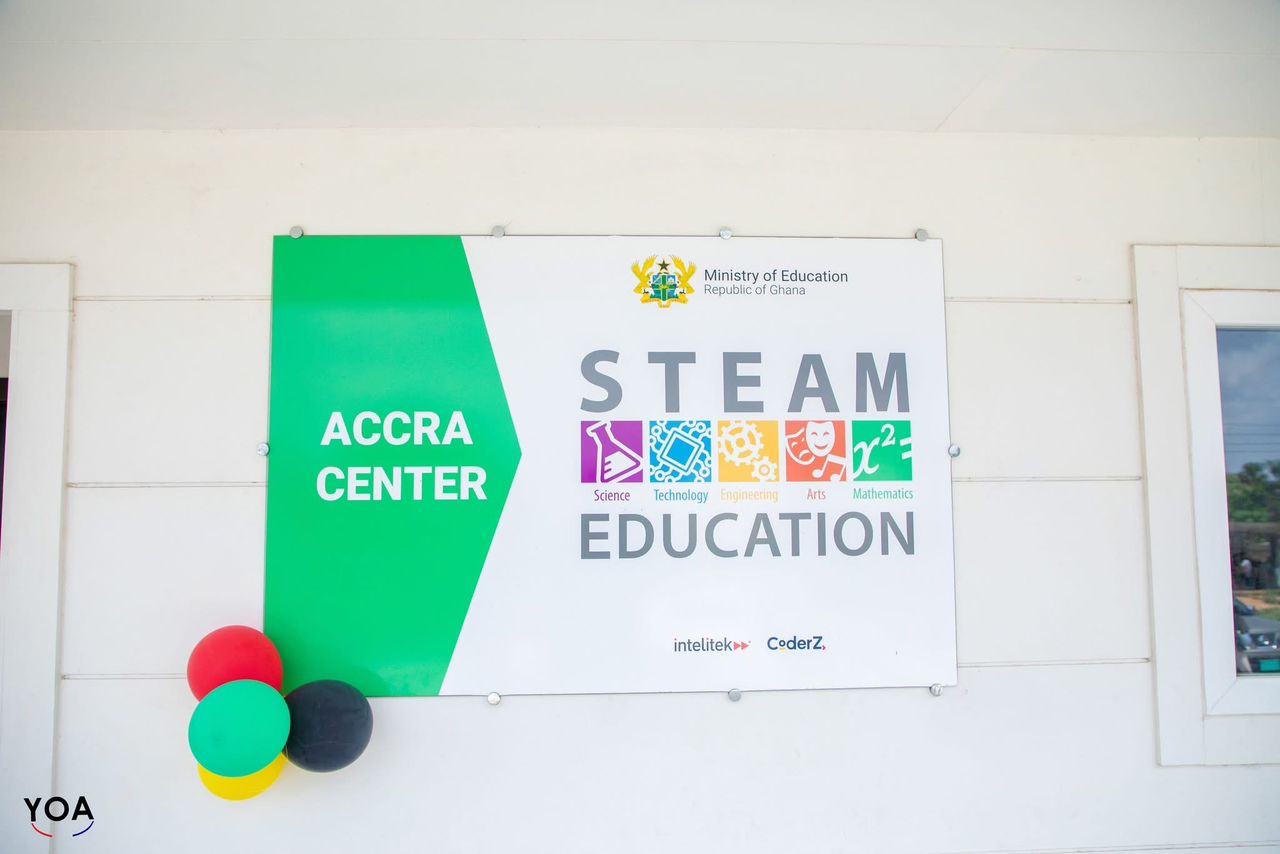
STEM Education in Ghana: All You Need to Know About the Accra STEAM Centre

Ghana is making significant strides in promoting Science, Technology, Engineering, Arts, and Mathematics (STEAM) education. One of the most notable initiatives is the establishment of the Accra STEAM Centre, which aims to transform the educational landscape and equip students with the skills needed for the 21st century. The Accra High STEAM Centre was inaugurated on Wednesday, November 9th, 2022, by the Minister for Education, Dr. Yaw Osei Adutwum, as part of the government’s effort to align educational needs with industry demands. The Centre is the first of 20 STEAM Centres being constructed by the Ministry of Education, with the others at various stages of completion. Situated at Accra High Senior High School (SHS), the Centre boasts modern facilities and resources to support effective teaching and learning in STEAM subjects. Since its opening, the Ghana Education Service has operationalised and has been managing the Accra High STEAM Centre with the support of relevant stakeholders. One of the exciting aspects of the STEAM Centre is that, right from Secondary school, children have the opportunity to learn coding, electronics, robotics, game development, and character design. This Centre has become a STEAM training hub, building the capacity of teachers and students in Robotics, CoderZ, and 3D Printing to prepare them locally for the Robotics World Challenge. The Centre also continues to host visitors from the Ministries of Education in Tanzania, Uganda, Ethiopia, and Kenya, who have come to learn best practices. The primary objective of the Accra STEAM Centre is to promote and enhance STEAM education at the pre-tertiary level and create a pipeline of learners for STEM education at the tertiary level. The Centre aims to foster critical thinking, problem-solving, creativity, and collaboration among students. By providing hands-on learning experiences in areas such as coding, electronics, robotics, game development, and character design, the Centre helps students develop the skills necessary for real-life applications. The Accra High STEAM Centre, located on the Accra High School campus, is open from Monday to Friday to all pre-tertiary schools within the Greater Accra Region, ensuring that a wide range of students can benefit from its resources.