
Life Issues People Trending News

Life Issues People Trending News

Can an Introvert Lead an NGO?

Can an introvert lead an NGO? When I received the final design of the logo for Spring-UP Global Network in 2019, it dawned on me that I had a social impact organization to build. To succeed at this, I had to believe in my WHY and aggressively use social and traditional media to drive visibility for the NGO. As an individual who just wanted to bring together tertiary students to organize mentorship programs in pre-tertiary schools, I quickly learned that being passive and silent about my work was not only harmful to the growth of the organization, but it also affected funding opportunities, as people become more convinced to support programmes that are visible. As someone who enjoys solitude and loves to connect with a small circle of friends, the plan to build SUGN as a national and global brand meant I had to move beyond what I enjoyed. So, I accepted the challenge to move beyond my comfort zone. This meant putting myself out there, openly documenting our work, building networks in the not-for-profit sector, and asking for help. I leveraged digital media, traditional media, and face-to-face engagements to tell individuals and groups about SUGN and how they could support us in scaling our impact. It is true that introverts typically get more energy and recharge by spending more time alone than with others. Months after initiating SUGN, I realized that leading an NGO or a social enterprise goes beyond organizing outreaches and programmes. You need a committed team. To build a sustainable organization, you need to consistently sell your WHY. You need to register with the office of the Registrar of Companies and get licensed with the Nonprofit Secretariat. The list is endless and can be frustrating sometimes. This April will mark six years since our first outreach: 10 libraries, 29,000+ beneficiaries, 26 schools, and 4 flagship programmes. Lately I’ve been asking myself, “Can an introvert lead an NGO?” My answer is, “Yes, we can be very successful at it when we sacrifice our comfort zones to build something bigger than ourselves, serving our communities and the world.”

International Day of Mathematics – How my teacher fueled my Maths anxiety

I read a post by UNESCO Global Education Monitoring (GEM) Report which states that according to the #2024GenderReport, 1 in 5 people feel anxious about maths, with girls experiencing higher anxiety than boys. So, on the International Day of Mathematics, I want to talk about my maths anxiety. I scored all 1s including Mathematics when I sat for the Basic Education Certificate Exams. My math teacher did a great job. When it was time to choose our courses for Senior High School, I chose to read General Arts. My parents have always supported our decisions so this was purely my personal decision devoid of any external influence and based solely on my research at the time and my interest and love for subjects that required extensive reading like General Arts. My excitement was short-lived when I got admitted to Holy Child School (HCS) and was placed in a General Arts class with Elective Mathematics, Economics, Geography, and French as my elective subjects. My first encounter and introduction to E-Math was terrible and I never looked forward with gladness with any E-Math lesson. The interesting thing is that at HCS, we had various teachers of one subject who were assigned to different classes. But it seemed the General Arts class was the most unfortunate and was assigned a teacher who rather fanned into flames the anxiety for mathematics instead of nurturing a love for the subject. I remember asking this teacher a question and he responded “Go and ask Archimedes”. Oh, I disliked E-Math and my parents had to enroll me for extra classes with another teacher months ahead of my preparation to sit for the West Africa Secondary School Certificate Examinations (WASSCE). When my WASSCE results were released, I recorded my lowest WASSCE grade in E-Math. Thankfully and ironically, today, I’m married to a Mathematics genius who was nicknamed ‘Prof’ in High School because of his love for the subject, and went ahead to read BSc Mathematics with Economics at the University of Cape Coast The truth is a good foundation in Mathematics is key to success in emerging 21st-century careers. However, teachers have a key role to play in achieving this. How prepared and equipped are our teachers to ensure that their students succeed in the subjects they teach? Visit http://www.sugn.org to see how Spring-UP Global Network is nurturing the reading, writing, and STEM skills of children through our iRead iLead Campaign.

Akorfa Ama Akoto speaks at 2025 NUGS International Women’s Day Conference

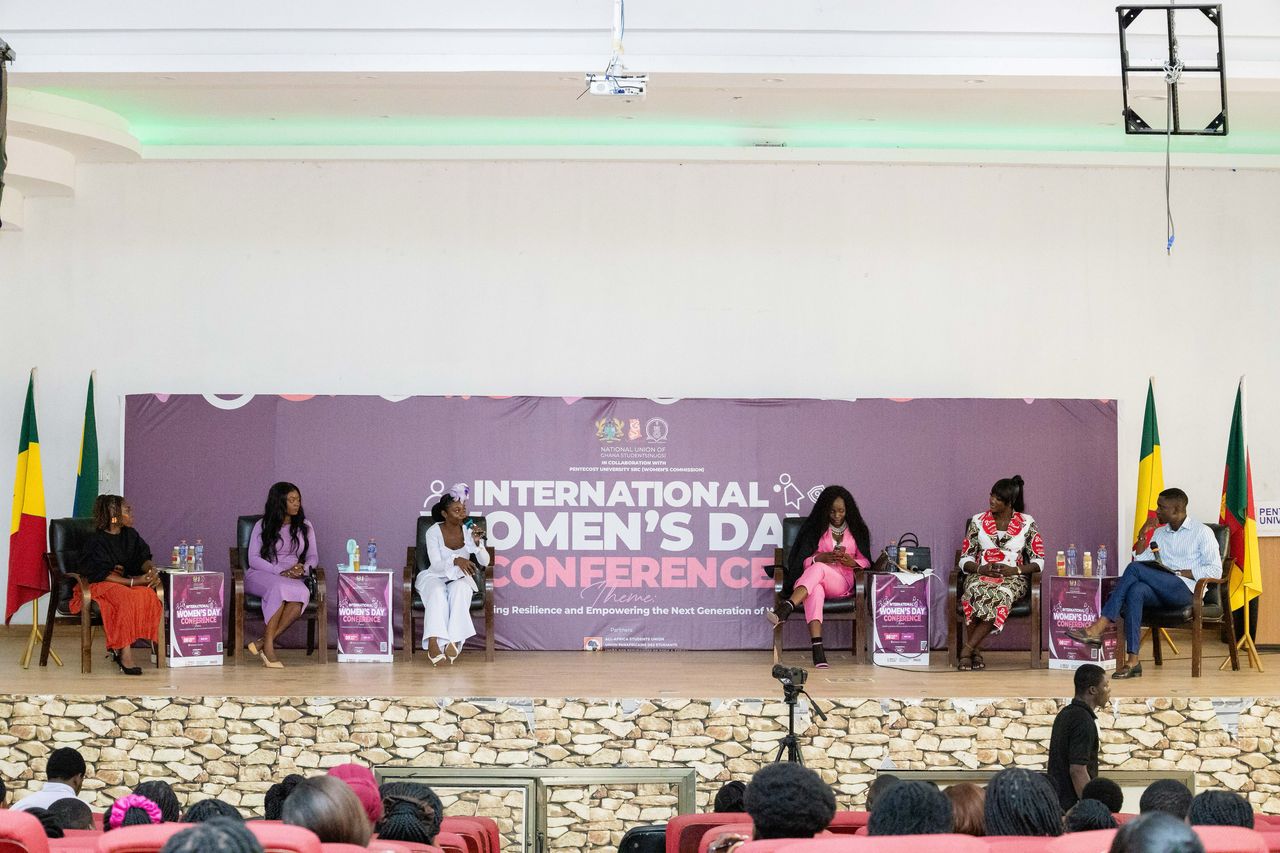
For the 2025 International Women’s Day, Akorfa Ama Akoto was at Pentecost University for the International Women’s Day Conference organized by the National Union of Ghana Students (NUGS) in collaboration with Pentecost University SRC for the International Women’s Day Conference. The conference was organized under the theme, Celebrating Resilience and Empowering the Next Generation of Women. Akorfa Ama Akoto joined other women leaders including Naana the Vilonist, Health Activist and Executive Director of Miss Health Ghana, Rockson Akyere; Chairperson, SDTA Awards and IYN UN Special Envoy West Africa, Amb Hon Zino Lexli Ogazi, and 2022 Ghana’s Most Beautiful Winner, Tung-Teiya Dahamani for a Peer Inspired Panel Discussion Session. During the Peer Inspired Panel Discussion Session themed, “Stronger Together: The Power of Women’s Allyship and Support”, Akorfa Ama Akoto shared some key principles that have helped in her journey as Executive Director of Spring-UP Global Network: Congratulations to the National Union of Ghana Students (NUGS) – Office of the Secretary for Women Development for organising this conference.

Major General Anita Asmah Makes History as UNDOF Force Commander

In a historic milestone for the United Nations and the African continent, Major General Anita Asmah of Ghana has officially assumed command as the Force Commander and Head of Mission for the United Nations Disengagement Observer Force (UNDOF). She succeeds Major General Patrick Gauchat of Switzerland, marking a significant achievement as the first African woman to hold this prestigious position. UN Secretary-General António Guterres announced the appointment of Major General Asmah on December 11, 2024. She brings over 31 years of distinguished service in the Ghana Armed Forces and extensive experience in United Nations peacekeeping missions. Her previous roles included Deputy Force Commander of UNDOF from 2021 to 2023, where she played a crucial role in maintaining the ceasefire between Israel and Syria in the Golan Heights. In her new role, Major General Asmah is committed to addressing the mission’s challenges, including geopolitical complexities and harsh environmental conditions. She expressed her enthusiasm and readiness to lead, stating, “I am happy and wholeheartedly accept this role to serve. It is an opportunity to lessen the suffering of the people in the region.” Major General Asmah’s appointment is a testament to her exceptional leadership and dedication to peacekeeping. Her career has been marked by significant contributions to various UN missions, including the United Nations Interim Force in Lebanon (UNIFIL) and the United Nations Organization Mission in the Democratic Republic of the Congo (MONUC). She has also held several senior positions within the Ghanaian Armed Forces, shaping the future of peacekeeping through her work at the Kofi Annan International Peacekeeping Training Centre. Her historic appointment has been celebrated as a step forward for gender parity in peacekeeping. Commodore Faustina Boakyewaa Anokye, former Deputy Force Commander for the UN Peacekeeping Mission in Western Sahara (MINURSO), described it as a significant milestone for women in the military. As Major General Asmah takes on this groundbreaking role, she remains optimistic about the future of the mission and the impact of the UN Uniformed Gender Parity Strategy (2018–2028). She emphasized the importance of women excelling in their responsibilities to pave the way for more women in command positions. For more information, visit United Nations in Ghana.

Spring-UP Global Network Hosts ‘Mentor Me’ Seminar on International Day of Education

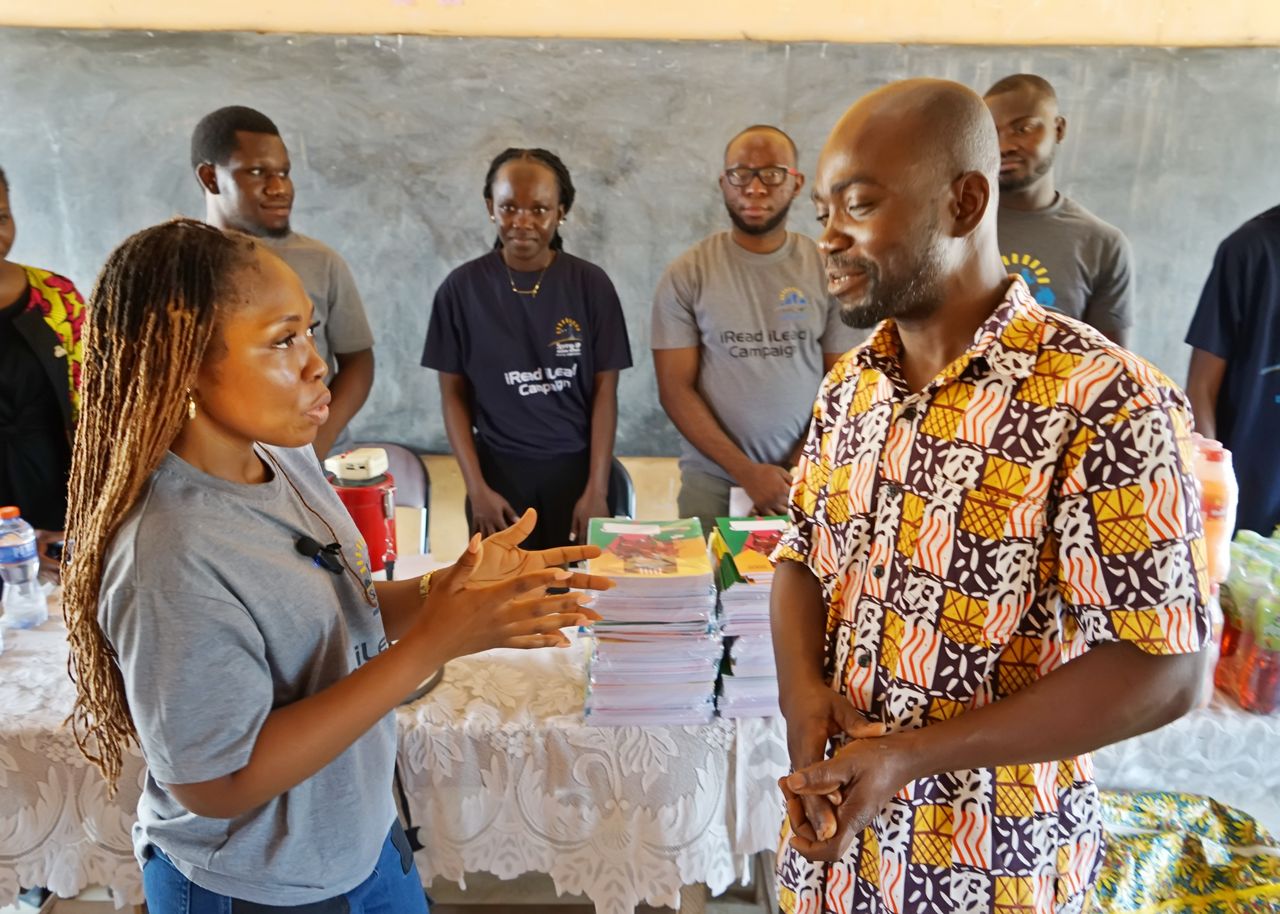
As part of this year’s International Day of Education, Spring-UP Global Network (SUGN), led by Executive Director Akorfa Ama Akoto, organised a mentorship and career guidance seminar dubbed ‘Mentor Me’ with students of the Agbekotsekpo D/A Basic School on Thursday, January 23rd, 2025. The programme, ‘Mentor Me,’ provided a platform for mentors to impart wisdom, share experiences, and guide learners to make the right career choice. SUGN volunteers shared insights on emerging 21st-century career pathways in Science, Technology, Engineering, and Mathematics (STEM) and the Creative Arts. The guest speaker for the seminar, Mrs Ivana Amponsah from the HUD Group Global shared insights on career guidance, purpose discovery, and mastery. This was followed by a panel discussion featuring young professionals studying and working in various STEM careers who volunteer with SUGN. A total of 80 students, including Primary 6 and Junior High School students, attended the event. The seminar provided tools to shape the mindsets, behaviours, and decision-making abilities of the children regarding their future careers. With funding from Nana Churcher Multimedia, the SUGN team donated exercise books and learning supplies, ensuring that students have the essential tools to succeed in their educational journey. In today’s rapidly evolving world, STEM education is pivotal for innovation, driving economic growth, and opening doors to future career opportunities. Early exposure to STEM subjects fosters critical thinking, creativity, and problem-solving skills, preparing children for the challenges of the future. Career guidance plays a crucial role in helping students make informed decisions, reducing anxiety, and aligning their strengths with future opportunities. Hence, the need for programmes like ‘Mentor Me’ in shaping the next generation of leaders. In all, 80 learners at Agbekotsekpo D/A Basic School benefitted from the Mentorship and Career Guidance seminar.

Ministry of Education Launches Channel MoE

Ghana’s Ministry of Education has taken a groundbreaking step towards transforming the educational landscape across Africa with the launch of Channel MoE, a dedicated television station broadcasting quality educational content. This initiative, officially launched on December 2, 2024, aims to provide a platform for innovative instructional materials, improve educational outcomes, and support academic excellence and personal development. Channel MoE’s primary objective is to bridge the educational gap, ensuring equal access to quality education content for students from diverse socio-economic backgrounds. By leveraging technology, the station aims to provide students in rural areas with the same opportunities as urban centres, democratising learning and making education accessible to all. The station results from a collaborative effort between the Ghanaian government, led by the Ministry of Education through its Centre for National Distance Learning and Open Schooling (CENDLOS), and development partners like Plan International, UNICEF, and CAMFED Ghana. With its infrastructure already set up and test transmissions completed, Channel MoE is now fully operational. It leverages technology to bridge the educational gap between rural and urban areas while broadcasting high-quality learning materials and information to support academic excellence and personal development. The Minister for Education, Dr Yaw Osei Adutwum, expressed optimism about the channel’s potential to revolutionise teaching and learning, emphasising its role as a reliable source of critical information for viewers. With Channel MoE now live on terrestrial and direct broadcast satellite, reaching audiences in Ghana and 27 other African countries, the future of education looks brighter than ever.

Eric Kwesi Oppong Begins Academic Journey as Chevening Scholar at Oxford Brookes University

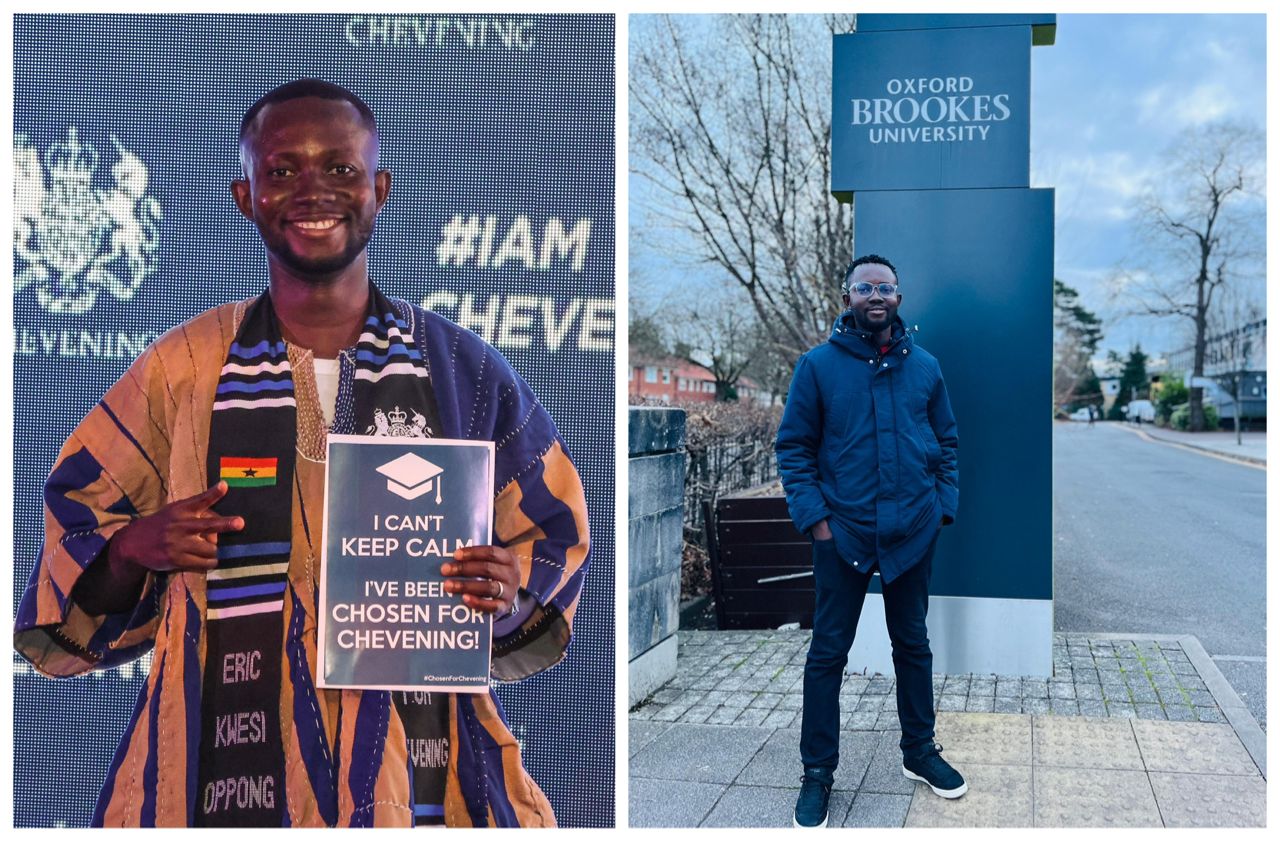
Eric Kwesi Oppong, Spring-UP Global Network’s PR & Development Director, has embarked on a new academic journey as a Chevening Scholar at Oxford Brookes University for the 2024/2025 academic year. Eric is pursuing an MA in Education (Leadership and Management), a programme renowned for its cutting-edge curriculum. A Prestigious Scholarship Eric is one of the 15 scholars from Ghana who was awarded the prestigious Chevening Scholarship for the 2024/2025 academic year. The prestigious award recognises exceptional individuals with leadership potential. As part of this scholarship, Eric is undertaking courses such as Learning and Development in Childhood, Leading and Managing People in Education, Leading Change in Education, Inclusive Curriculum, and Mentoring in Education. These courses are designed to equip him with the knowledge and skills necessary to make a significant impact in the field of education. Eric at the Farewell ceremony for 2024/2025 cohort of Chevening scholars from Ghana Enhancing Educational Interventions Eric is enthusiastic about how this academic opportunity will empower him to enhance his role within the Spring-UP Global Network, a nonprofit organisation that promotes quality education and lifelong learning opportunities in Ghana. “I am excited about how this will empower me to enhance my role within the Spring-UP Global Network, enabling us to create and implement more sustainable and impactful educational interventions for the children we serve in Ghana,” said Eric. Eric was instrumental in the success of the Deloitte WorldClass Initiative in Ghana, a partnership with Spring-UP Global Network, which saw both organisations collaborate to refurbish and restock eight (8) school libraries, providing over 9,400 books and impacting the lives of over 23,319 children across five (5) regions in Ghana in just twenty (20) months. Eric with a learner at the commissioning ceremony of the Osu Cluster of Schools library, Accra Leadership Role at Oxford Brookes University In addition to his studies, Eric serves as postgraduate representative for the Faculty of Humanities and Social Sciences at Oxford Brookes University for the 2024/25 academic year. This faculty comprises the School of Education, Humanities and Languages, the School of Law and Social Sciences, and the Institute of Public Care. Advocacy and Representation As postgraduate representative, Eric is working closely with the Vice President of Education and Advocacy, and Brookes Union. He will represent and advocate for the academic and non-academic interests of over 18,000 students, contributing to improving and advancing the faculty’s educational offerings. “This role offers me the opportunity to work closely with the Vice President of Education and Advocacy and Brookes Union, representing and advocating for the academic and non-academic interests of over 18,000 students and meaningfully contributing to the improvement and advancement of the faculty’s educational offerings,” he remarked. Collaborative Efforts Eric looks forward to collaborating with undergraduate colleagues and course representatives to achieve their collective objectives. “I look forward to working closely with my undergraduate colleagues and course representatives to achieve our collective objective,” he added. A Bright Future Ahead Eric holds a Bachelor’s degree in Mathematics and Economics from the University of Cape Coast. Eric Kwesi Oppong’s journey as a Chevening Scholar at Oxford Brookes University is an excellent landmark in his career and highlights his dedication to educational excellence and community development. His academic achievements and leadership roles are expected to have a lasting impact on the educational landscape in Ghana and beyond.

Arts to Engineering: All You Need to Know About the Pre-Engineering Program in Ghana

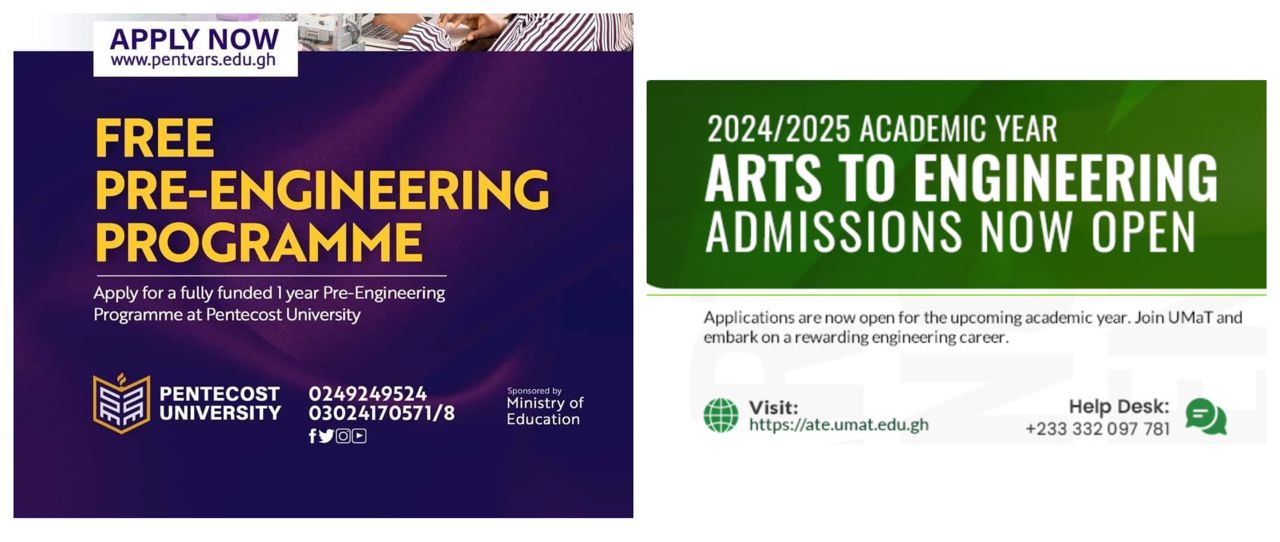
Are you an arts or humanities student dreaming of a career in engineering? The Pre-Engineering Program in Ghana might be the perfect opportunity for you! This innovative program is designed to help non-science students transition into engineering by providing the necessary foundational knowledge and skills. Let’s dive into what this program offers and how it can help you achieve your engineering dreams. What is the Pre-Engineering Program? The Pre-Engineering programme is a one-year detailed course specially designed to prepare and train secondary school graduates with non-science backgrounds for enrollment into the Bachelor of Science in Engineering at the University. The program is specifically tailored for students with non-science backgrounds who aspire to pursue engineering at the tertiary level. Dr Yaw Osei Adutwum, the Minister for Education, launched the program on 19 January 2022. The first batch of students for the program were admitted to Pentecost University and the University of Mines and Technology (UMaT) later that year. The Pre-Engineering Program is designed by the Ministry of Education per the Education Strategic Plan (ESP) 2018-2030, which has a twin target of achieving a 40% Gross Tertiary Enrollment Ratio and a Science: Humanities ratio of 60:40 in favour of the Sciences at the tertiary level by 2030. Program Structure and Curriculum The program covers essential STEM (Science, Technology, Engineering, and Mathematics) subjects, including mathematics, physics, chemistry, and introductory engineering courses. The curriculum is designed to provide a strong foundation in these subjects, ensuring students are well-prepared for future engineering studies. Entry Requirements To be eligible for the Pre-Engineering Program, students typically need to have completed their Senior High School (SHS) education with good grades in core subjects such as Mathematics, English, and Integrated Science. Some universities may also require additional subjects depending on their specific entry criteria. Benefits of the Program Smooth Transition: The program helps non-science students transition smoothly into engineering disciplines by providing the necessary background knowledge and skills. Enhanced Opportunities: Completing the Pre-Engineering Program opens doors to various engineering undergraduate programs, including robotics, electrical and electronic engineering, mechanical engineering, and more. Competency-Based Learning: The program employs competency-based methodologies, combining theoretical knowledge with practical, hands-on training. Professional Mentorship: Students have the opportunity to be mentored by professionals and experts in the engineering field, gaining valuable insights and guidance. Skill Development: In addition to academic coursework, the program includes skill training sessions to enhance students’ practical abilities and readiness for engineering challenges. Some beneficiaries of the Pre-Engineering Program Success Stories Many students who have completed the Pre-Engineering Program have gone on to excel in their engineering studies and careers. Their success stories inspire aspiring engineers and highlight the program’s effectiveness in bridging the gap between the arts and engineering disciplines. How to Apply To apply for the Pre-Engineering Program, students must submit their application forms and academic transcripts to the admissions office of the respective universities. Meeting the entry requirements and deadlines is essential to securing a spot in the program. Ready to take the first step? Visit Pentecost University, University of Mines and Technology (UMaT), and Kumasi Technical University for more information and application details.

Thriving in University: A Guide to Success for Students in Ghana

Embarking on your university journey in Ghana is a monumental step filled with opportunities, challenges, and growth. As you navigate this transformative phase, it’s essential to equip yourself with strategies that can help you succeed academically, socially, and personally. Here’s a guide to thriving as a university student in Ghana. 1. Embrace a Growth Mindset University life demands a shift in thinking. Adopting a growth mindset—believing that your abilities and intelligence can be developed through hard work, dedication, and resilience—can set the tone for success. Understand that challenges are opportunities to learn and grow. 2. Build a Strong Support Network University can be overwhelming, but having a reliable support network can make all the difference. Surround yourself with friends, mentors, and professors who encourage and motivate you. Join student organisations and participate in campus activities to build connections. 3. Master Time Management Balancing academics, social life, and extracurricular activities requires effective time management. Create a schedule that prioritises your tasks and stick to it. Use planners, digital calendars, or time management apps to stay organised. 4. Engage in Extracurricular Activities Participating in extracurricular activities can enhance your university experience, providing opportunities for personal growth, networking, and skill development. Whether it’s joining a debate club, sports team, or volunteering for community service, these activities will enrich your university life. 5. Seek Academic Resources Take advantage of the academic resources available on campus, such as libraries, tutoring centers, and workshops. These resources can provide additional support and enhance your learning experience. Don’t hesitate to ask for help when you need it. 6. Prioritize Self-Care Maintaining a healthy balance between academic responsibilities and personal well-being is crucial. Prioritize self-care by getting enough sleep, eating well, exercising, and taking breaks when needed. Your physical and mental health are key to your overall success. 7. Stay Informed and Engaged Stay informed about campus events, academic deadlines, and opportunities. Engage with your professors and classmates, participate in discussions, and stay curious. Being proactive in your education will keep you motivated and involved. 8. Develop Effective Study Habits Find a study routine that works best for you. This could involve studying in short bursts, creating summaries, joining study groups, or using flashcards. Identify your most productive times and environments to maximize your study sessions. 9. Set Realistic Goals Setting realistic and achievable goals can provide direction and motivation. Break down your long-term goals into smaller, manageable tasks and celebrate your progress along the way. This will help you stay focused and on track. 10. Explore Internships and Career Opportunities Gain practical experience by exploring internships and part-time jobs related to your field of study. These opportunities can provide valuable insights, help you build professional networks, and enhance your resume. University life in Ghana is a transformative journey filled with opportunities for growth and success. By embracing a growth mindset, building a strong support network, mastering time management, engaging in extracurricular activities, seeking academic resources, prioritising self-care, staying informed, developing effective study habits, setting realistic goals, and exploring internships, you can confidently navigate this journey and thrive. Remember, your university experience is unique to you, and these strategies will support you on your path to success. Here’s to an incredible university journey filled with learning, growth, and memorable experiences!

Fuel Your Ambition: 5 Books to Help You Crush Your Goals This Year

Welcome to a brand-new year filled with endless possibilities and opportunities to realise your dreams. Whether you’re looking to build new habits, gain clarity on your aspirations, or find the motivation to keep pushing forward, these five books will guide you on your journey to success. 1. Atomic Habits by James Clear Imagine your life transformed by the power of tiny, incremental changes. James Clear’s “Atomic Habits” is your go-to guide for understanding how small habits can lead to remarkable results. In this book, Clear provides practical strategies to break bad habits and build good ones while emphasising that the little things make the most significant difference. 2. Mindset: The New Psychology of Success by Carol S. Dweck Carol Dweck’s groundbreaking work introduces the concept of the growth mindset, empowering you to reframe obstacles as opportunities. Learn to embrace challenges, cultivate resilience, and unlock your inner potential. 3. The 7 Habits of Highly Effective People by Stephen Covey A classic in the self-help genre, Covey’s timeless wisdom offers practical advice on personal and professional growth—master essential habits like proactive leadership, effective communication, and synergistic collaboration to propel yourself toward success. 4. Essentialism: The Disciplined Pursuit of Less by Greg McKeown In a world filled with distractions, “Essentialism” teaches you the art of prioritisation. Learn to distinguish the vital few from the trivial many, eliminating non-essential tasks to focus on what truly matters. 5. The One Thing” by Gary Keller and Jay Papasan This book teaches you to zero in on the critical tasks that drive actual results. Keller and Papasan’s straightforward approach eliminates multitasking, minimises distractions, and concentrates on the most essential task that will catapult you toward your objectives. As you delve into their pages, you’ll: 1. Cultivate resilience: Develop a growth mindset to tackle obstacles head-on. 2. Focus on what matters: Prioritize essential tasks and eliminate distractions. 3. Build empowering habits: Create lasting changes through incremental progress. 4. Unlock your potential: Discover the power of proactive leadership and effective communication. 5. Stay committed: Learn strategies for maintaining momentum and overcoming setbacks. Embark on this literary journey and let these books inspire you to take bold steps towards your dreams. Here’s to a year of growth, achievement, and limitless possibilities! Happy reading, and may your year be filled with success and joy! What are your goals for this year?